One of the biggest challenges I’ve faced in cloud operations is maintaining clear visibility into cloud costs. In the cloud, resources can be spun up in seconds and scaled globally without friction. That flexibility is powerful, but it also makes spending harder to track. More than once, I’ve seen how quickly costs can drift when visibility isn’t strong. If I can’t see it clearly, I can’t manage it properly.
Why Cost Visibility Matters
In traditional environments, costs were predictable. Infrastructure was purchased upfront, and budgets were relatively stable. In the cloud, that predictability disappears. Usage fluctuates daily, sometimes hourly. Once I implemented proper cost visibility, decision-making changed completely. Teams could see the impact of their deployments, and conversations shifted from reacting to bills at month-end to managing spend proactively. Visibility became the foundation of everything else in our FinOps practice.
The Tools I Rely On
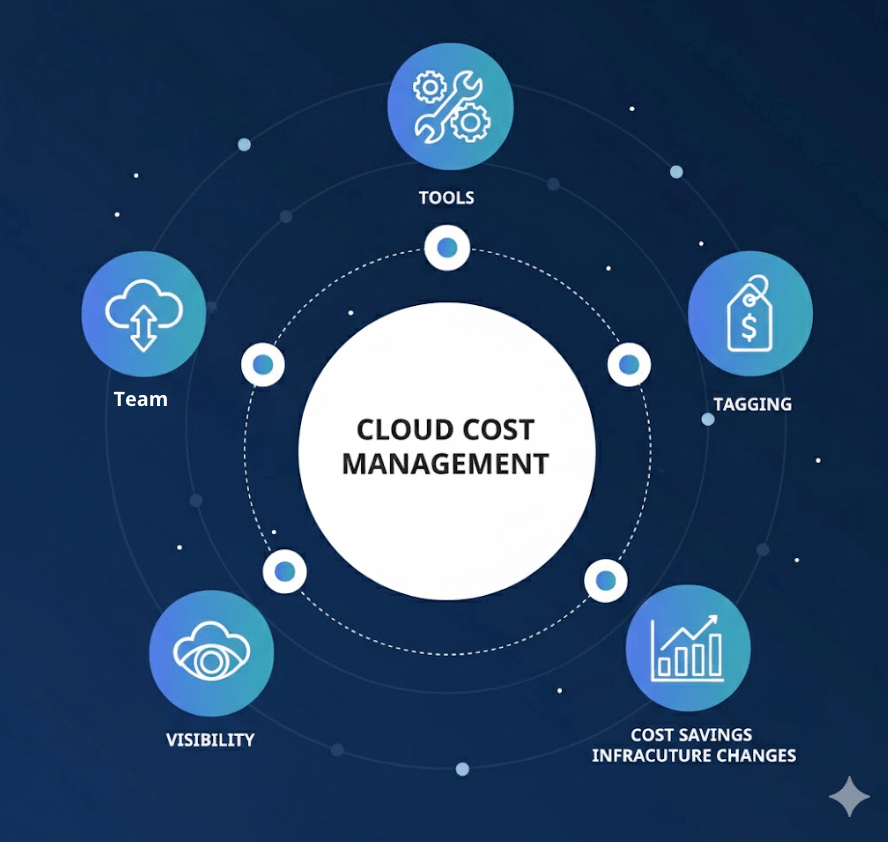
The first practical step I took was making sure we had the right tooling in place. Native tools like AWS Cost Explorer, Azure Cost Management, and Google Cloud’s billing dashboards gave us a solid starting point. As our environment grew more complex, tools like CloudHealth and Cloudability helped with my multi-cloud solutions to break spend down by team, product, or environment, making cost data actionable instead of just informational. When people can see exactly what they’re responsible for, accountability follows naturally.
Why Tagging Changed Everything
I worked with engineering teams to standardise tags across projects, environments, and cost centres. In some cases, we used tools like Cloud Custodian to help enforce tagging policies automatically. Once resources were consistently labelled, we could allocate costs accurately and eliminate the guesswork during reporting. That clarity reduced friction between teams and made financial discussions far more productive.
Digging Into Spending Patterns
Visibility alone isn’t enough. Once I had clean data, I started analysing trends regularly. I looked at which services were growing fastest, which workloads had unpredictable spikes, and where resources were underutilised. Instead of being surprised by the next invoice, we could anticipate it. That shift from reactive to predictive cost management was a major turning point.
Sharing Visibility Across Teams
Cost visibility shouldn’t live in a finance spreadsheet. It needs to be accessible to engineers, product owners, and leadership. It shifts the mindset from “Finance handles costs” to “We all have a role in managing cloud efficiency.” Collaboration between engineers, finance, and leadership is crucial in keeping cloud spend aligned with business objectives, and visibility is the glue that holds it all together.
Conclusion
By focusing on cost visibility, tracking real-time usage, organising resources effectively, and sharing insights across teams, you can transform how your organisation manages cloud spending. Visibility isn’t just about knowing what you’re spending—it’s about empowering teams to take ownership of their cloud costs, optimise resources, and drive better financial outcomes. In my experience, making cloud spend transparent and trackable is one of the most important steps you can take in your FinOps journey.
 The Blog of The Hybrid DBA