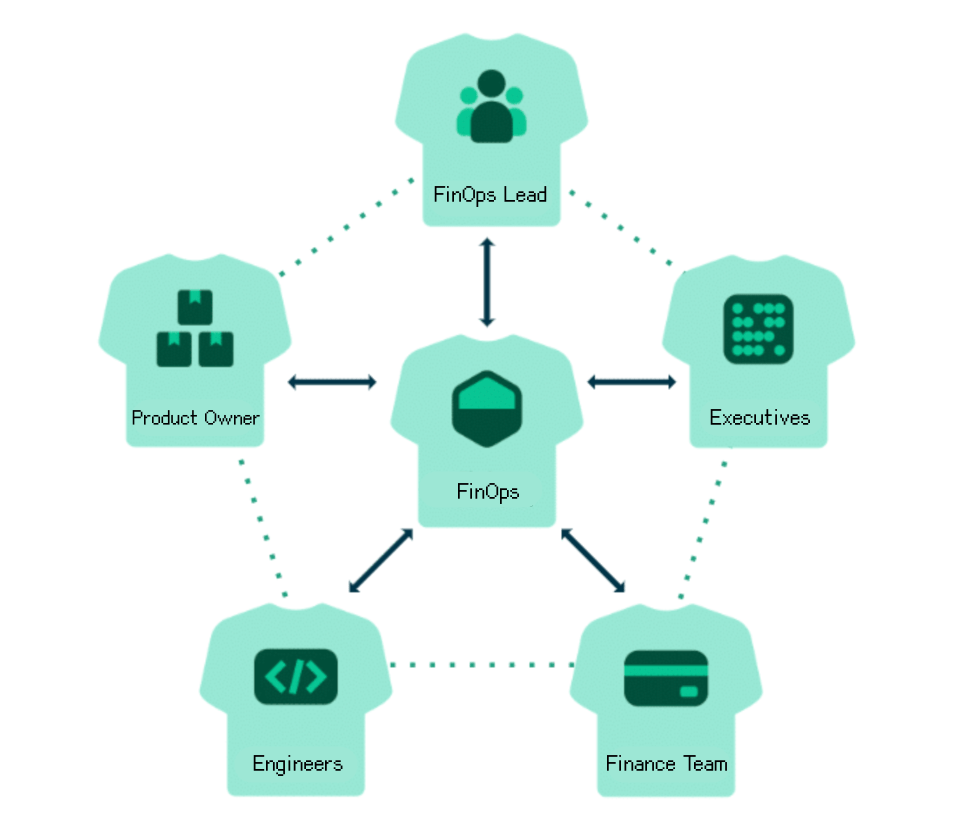
In my experience, FinOps success has never been just about tools or dashboards. It comes down to people. The right structure, the right ownership, and clear accountability make all the difference. FinOps works best when it’s treated as a team sport, bringing together finance, engineering, operations, and leadership around a shared goal: making smart cloud decisions without slowing innovation down. Over the years, I’ve seen a few key aspects that succeed in FinOps practices.
The FinOps Lead
Every strong FinOps setup I’ve worked with had someone clearly driving it. The FinOps Lead acts as the connector between engineering, finance, and leadership. They don’t just look at numbers; they turn cost data into action. They run cost reviews, align spending with business priorities, introduce guardrails, and make sure the right tools and processes are in place. Most importantly, they keep everyone accountable without turning FinOps into a policing function. It’s about enablement, not restriction.
Cloud Engineers and DevOps Practitioners
Engineers play a bigger role in cost control than they often realise. In the teams I’ve worked with, engineers take ownership of tagging, right-sizing workloads, automating shutdowns, and designing systems that balance performance with cost efficiency. When engineers understand cost implications, optimisation becomes part of everyday decision-making rather than a reactive exercise.
Finance Teams
Finance can’t sit on the sidelines. I’ve seen the biggest improvements happen when finance teams actively engage with engineering instead of just reviewing invoices at the end of the month. They help interpret billing data, build forecasts, set budgets, and translate technical consumption into business language leadership understands. When finance and engineering speak the same language, decisions become faster and far more strategic.
Product Owners and Project Managers
These roles often become the bridge between business value and cloud spend. In practice, I’ve seen strong product leaders challenge teams with the right questions: Are we getting value from this workload? Is this feature worth the cost to run it? They ensure initiatives stay aligned with budgets while still delivering impact. FinOps becomes much smoother when cost awareness is built into project planning rather than treated as an afterthought.
Executives and Leadership
None of this works without leadership backing it. The most successful FinOps transformations I’ve been part of had executive sponsorship from day one. Leadership sets expectations around accountability and reinforces that cost efficiency is not about limiting innovation, but about funding it sustainably. When that message comes from the top, teams take it seriously.
Conclusion
FinOps stops being “someone else’s problem” and becomes embedded in how the organisation operates. It’s not about cutting for the sake of cutting. It’s about building a culture where performance, innovation, and financial responsibility exist side by side. When everyone understands their role and works collaboratively, FinOps becomes less of a framework and more of a natural way of working. And that’s when you start seeing real, measurable impact.
 The Blog of The Hybrid DBA