As a DevOps professional, I’ve seen firsthand how cloud costs can quickly spiral out of control without the right practices in place. That’s where FinOps comes in—it’s a powerful approach that helps us manage cloud spending while still enabling innovation. If you’re new to FinOps, let me break down the basics and show you how to take your first steps into this important practice.
First off, FinOps stands for Financial Operations, and it’s all about bringing financial accountability into the cloud. Traditionally, finance and IT teams operated separately, but with cloud services, we need to work together more closely. FinOps helps bridge that gap by making sure engineers, finance teams, and leadership all collaborate to make smart, cost-efficient decisions.
Here’s how I approach it:
Create Visibility
The first thing I always do is ensure we have complete visibility into our cloud usage and spending. Without that, it’s impossible to know where our money is going. We can use tools that provide real-time insights into costs, broken down by team, project, or service. Once everyone can see the numbers, it’s a lot easier to make informed decisions.

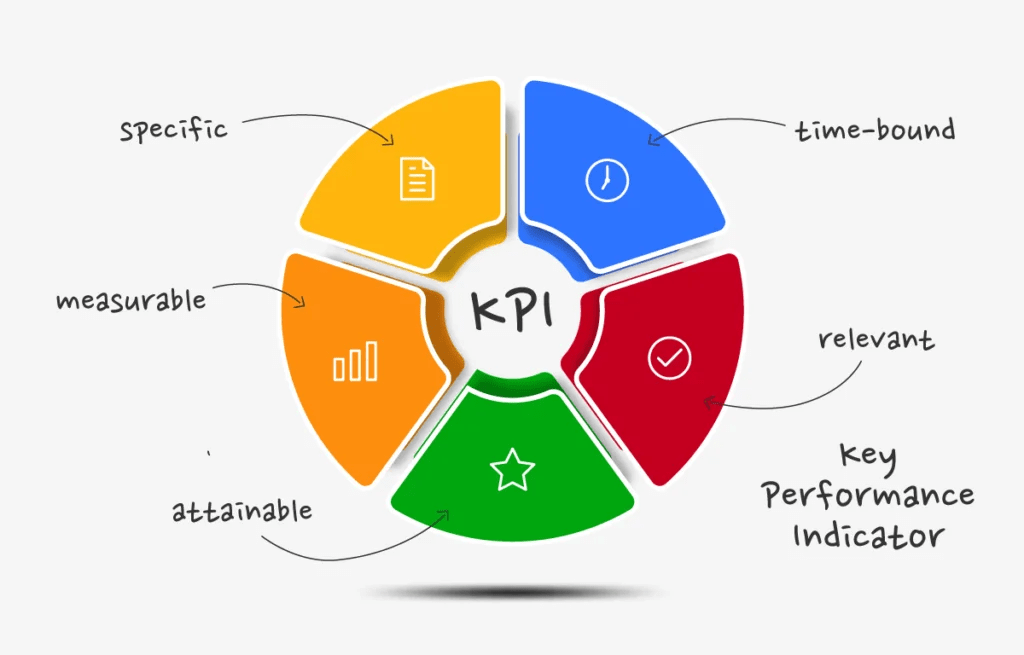
Set Budgets and KPIs
After getting visibility, the next step is to set clear budgets and performance goals. I’m not just trying to cut costs for the sake of it—I want to align our spending with our actual business objectives. By setting the right key performance indicators (KPIs), we can measure whether we’re getting the most value from our cloud investments while staying within budget.
Build a Collaborative Culture
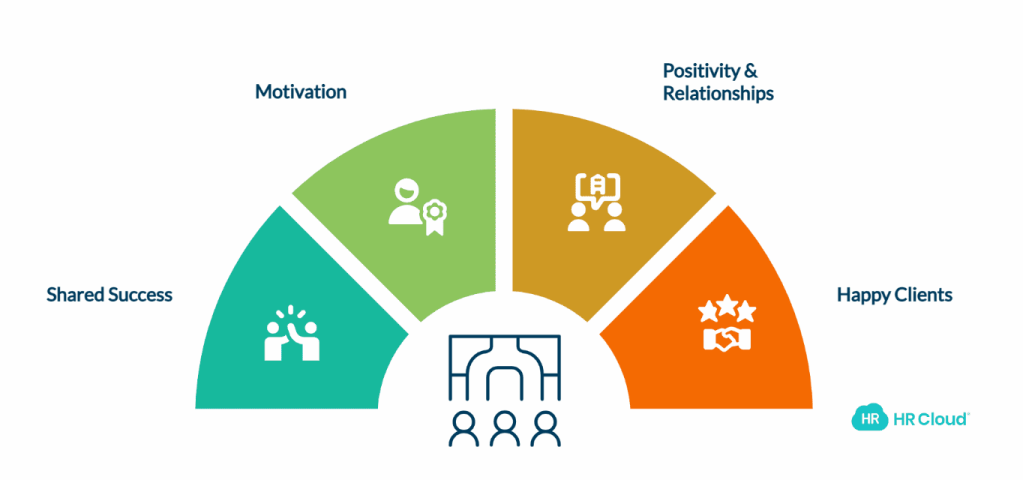
Finally, FinOps is about collaboration. It’s not just a set of tools or rules, it’s a mindset. I make sure that our engineers, finance teams, and leadership work together consistently to optimise cloud usage without sacrificing performance.
By following these steps, I’ve seen real improvements in how we manage cloud costs, and I believe it’s something any team can benefit from. FinOps is not just about saving money—it’s about making sure every dollar we spend on the cloud is working as hard as we are.
 The Blog of The Hybrid DBA